- Updated February 2, 2026
- Shefali Hardas
Is Scuba Diving safe in Andamans?


Always Dive with Certified Instructors
Scuba diving in the Andamans is conducted by licensed dive centers with trained professionals. Choosing a certified operator ensures proper safety checks, quality gear, and a worry-free underwater experience.

Always Dive with Certified Instructors
Scuba diving in the Andamans is conducted by licensed dive centers with trained professionals. Choosing a certified operator ensures proper safety checks, quality gear, and a worry-free underwater experience.
Don’t miss the stunning views from the jail’s watchtower, especially in the afternoon.
Is Scuba Diving Safe in Andamans?

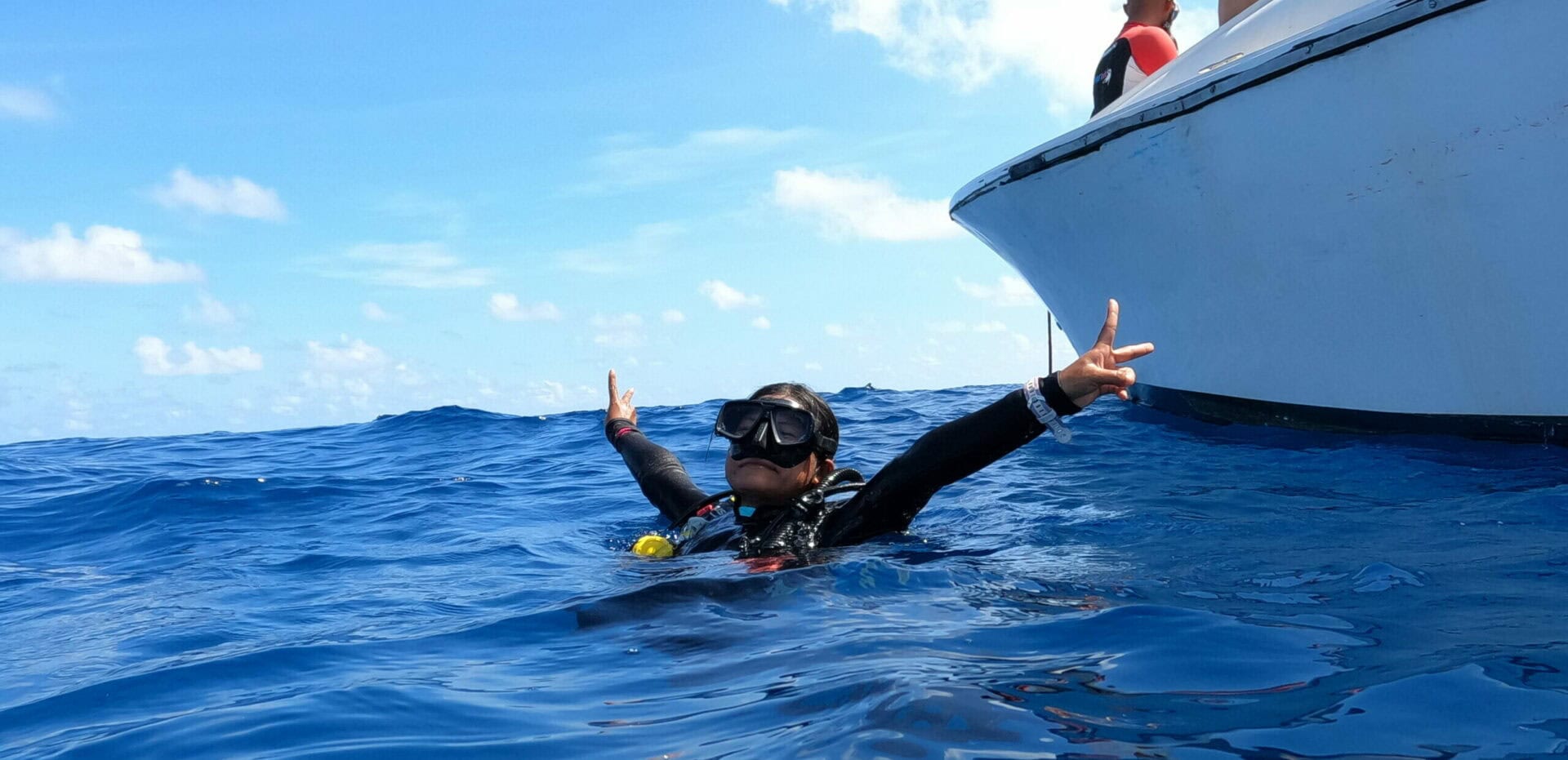
Yes! It is a 100% safe.
Zero Accident Record! Can you believe it?
So much so that it is the number one activity for non-swimmers.
If you’re thinking about scuba diving in the Andaman Islands, it’s a pretty safe bet! Here’s why.
- The Andaman Islands are the Scuba diving capital of India.
- There are a huge number of PADI-certified operators around the Island.
- Favorable weather for a smooth diving experience.
- Calm currents which give a pleasant experience.
All in all, it is widely regarded as a safe and exhilarating experience, provided that appropriate safety measures are observed.
Why is it safe?
Embarking on a scuba diving lifestyle has various entry points.
While formal courses train individuals to become independent divers, there’s a more immediate option for non-divers and that’s called the DSD. We’ll come to that. But first, let’s see what PADI, a name you’ll encounter everywhere, means!
PADI makes sure of safety.
The Professional Association of Diving Instructors (PADI) stands out as a globally recognized organization, providing certified training programs for both recreational and technical diving. While there are other organizations offering diver certifications, PADI has become widely trusted and embraced within the international recreational dive industry. In India, the majority of dive schools are PADI registered, adhering to PADI coursework and diving procedures.
All in all, PADI is synonymous with some basic safety standards. Keep in mind, it still depends on dive school to dive school what kind of safety and quality they prioritize. For example, we work with only a handful of dive schools which are the very best in Andamans.
Discover Scuba Dive(DSD) – diving with a buddy.
The Discover Scuba Dive (DSD) is tailored for a one-time diving experience, the DSD provides a brief yet reassuring introduction to the underwater world. It’s a fantastic way to experience scuba diving without committing to a full course. Dip your toes, or rather, fins, into the exhilarating world of scuba diving.
DSD program lets you experience what it feels like to be a diver underwater, while under the direct supervision and safety of a dive professional. That is to say, the diving instructor who has done this 100s of times, will be constantly holding your hand. You’re safe!
It involves:
- A brief theory lesson and equipment familiarization
- Skill practice with an instructor in confined/shallow water
- A 45-minute to 1-hour dive underwater with an ideal instructor-diver ratio of 1:1
- Underwater photography.
Read More: Scuba Diving Guide
How Do We Ensure Your Safety – Diving with Go2Andaman
Go2Andaman collaborates with leading PADI-certified dive shops only and instructors on the Andaman Islands, including Scubalov, Lacadives, Gypsy Divers, and Dive India. PADI, or the Professional Association of Dive Instructors, is renowned for offering globally-recognized Scuba Diving certifications. This means you can have confidence that all the dive shops we recommend strictly adhere to the highest international safety standards.
Rest assured, our recommendations are based on more than just certifications. We select dive shops where we have personally dived, ensuring that instructors are not just going through the motions but are genuinely passionate about diving. Your safety and enjoyment are our top priorities, and we only partner with establishments that share these values.
Even kids can do scuba diving.
And they enjoy it a lot!
Here are some key statistics and features that highlight our commitment to safety:
- Over 10,000 certified divers every year showcase the trust people place in our partnered operators. That’s amazing!
- With more than 100,000 dives conducted! Say what?!
- The cumulative teaching experience of our operators exceeds 75 years! How cool is that?
- A remarkable zero-accident record emphasizes our unwavering commitment to safety protocols. Nothing. Else. Matters.
- Our operators use world-class equipment, ensuring reliability and performance. Yes to the best!
- Premium boats for comfort and safety. Lounge in!
- Our dive centers boast a 5-star rating, and we go no less that that!
- With Go2Andaman, it’s only the best of the best. Best Locations, Best People, Best Measures for your safety.
Rules for a Safe Scuba Diving Experience
We hope we’ve convinced you, but if you’re the nerdy type who used to do good in school, we thought might want to know more. So here goes it. And the below might sound a bit technical but when dive instructors give you live lessons, you’ll understand it all in a jiffy.
1. Foremost Rule
- Never Hold Your Breath – Continuously breathing while scuba diving ensures a consistent process of equalizing lung pressure with the changing depths, promoting comfort and safety.
- Equalize Your Ears – Equalize early and often during scuba diving to avoid discomfort or pain.
- Follow Guidelines –Trust the experience of dive professionals and adhere to their instructions
2. Proper Training
Certification from a recognized agency is crucial in scuba diving, providing essential skills and instilling confidence for a secure and enjoyable experience, as affirmed by experienced divers. Your certification acts as a passport to a fulfilling diving journey.
3. Pre-check and Maintain your Equipment
Prioritize safety: treat your scuba gear as a lifeline. Regular checks and maintenance are crucial for optimal functionality, offering reassurance and preventing minor malfunctions during dives for a secure and enjoyable underwater experience. But once again, our dive centres have a zero-accident record.
4. Dive with Your Buddy
Diving is a secure and enjoyable means to explore the underwater world, yet ensuring safety is paramount. Scuba divers undergo training to address potential issues, Having a trained dive buddy enhances safety, offering assistance in emergencies and ensuring a secure and enjoyable underwater experience.
5. Respect Marine Life
In a dive, refrain from touching because you never know there might be a prickly coral round the corner. Interfering with the Dive Master’s equipment jeopardizes safety, following the no-touch rule and letting professionals handle tasks ensures a safe underwater experience.
G2A Tips
- We recommend booking Scuba diving in advance as the slots are limited for a day.
- Avoid using Sunscreen while diving as its chemicals lead to danger for marine life.
- Stay hydrated before diving. You don’t want to feel thirsty underwater, trust us it can happen.
- Breathe slowly and remain calm for an enjoyable experience.
- The minimum age to dive in Andaman is 10 years.
- Scuba diving is not preferred for pregnant women and people with disabilities.
- Wear quick-dry clothes for comfortable diving.
- Plan your flights 24 hours post-diving.
Frequently asked questions
Is scuba diving safe?
Scuba Diving is a safe water activity that is done by thousands of people across the world, daily. It is recommended that you have a decent level of fitness like being able to walk for 45 mins without getting tired. All Instructors and dive masters are equipped with internationally recognized certifications and are trained in dive supervision, diver rescue and Emergency First Response (EFR).
Who cannot do Scuba Diving?
People with disabilities, pregnant women, people with back issues and respiratory illnesses are strictly not allowed to Scuba Dive.
Do I need to know how to swim?
You can do scuba diving even if you do not know how to swim. You will always be accompanied by an experienced instructor or dive master. They’re there to help you stay comfortable underwater and will assist you at all times.
What to wear?
Wear your swim-wear or you can even wear a quick-dry shirt and shorts. A wetsuit will be provided at the dive shop that will be worn over this. Wear flip-flops when you go to the dive shop. It is advisable not to wear sports shoes, heels or boots.
What to carry?
Carry comfortable clothes, a towel, and a change of dry clothes. Sunglasses and biodegradable sunscreen are useful for sun protection. If you wear prescription glasses, consider contact lenses. All scuba equipment and safety gear are provided by the dive operator, so you don’t need to bring anything special. Avoid heavy meals and alcohol before the dive, and carry any required ID as advised by the operator.

Shefali Hardas
Other Guides

Want to go to the Andaman Islands? Read our travel guide for details about how to reach Port Blair and other islands of the Andamans. Get information on Port Blair’s best things to do, recommended places to visit, and hotels.

Planning a trip to Havelock Island? Our guide covers how to get there, the best beaches to visit, top water sports, and recommended places to stay for an unforgettable Andaman experience.

Visiting Neil Island? Check our travel guide for how to reach, must-visit beaches, top activities, and the best hotels to make the most of your laid-back island vacation.
Scuba Diving Experiences
Planning a trip to the Andaman?
We made this because we were tired of hearing “I wish I knew this earlier.” Ferries, permits, best stays, right beaches, everything you need, all in one place. Plan it yourself, just better.
Because it’s all about #moments that matter.
- Locally Verified
- Tried and tested
- Handpicked LISTINGS
- No sponsored picks